Portrait imaging & computational photography
Connect segmentation, matting, monocular depth and GPU rendering. Investigate boundary artifacts, subject protection and visual quality in difficult scenes.
PyTorch / OpenCV / C++ / OpenGL & GLSL
Computer vision & applied AI
I build camera AI at Black Sesame Technologies, connecting portrait matting, depth estimation and rendering to C++/Android deployment and release evaluation.
I'm interested in Applied AI and Forward Deployed Engineering roles, including multimodal systems where model quality, product requirements and runtime constraints meet.
Professional experience
Connect segmentation, matting, monocular depth and GPU rendering. Investigate boundary artifacts, subject protection and visual quality in difficult scenes.
PyTorch / OpenCV / C++ / OpenGL & GLSL
Take models through quantization, export validation and native camera integration, with device debugging and regression checks before replacement.
TFLite / ONNX / Android NDK / CMake
Employer work is summarized without customer identities, proprietary code or internal performance data.
Independent projects
01 routing     primary    selected
02 generation  primary    started
03 generation  primary    exhausted
04 routing     fallback   selected
05 generation  fallback   started
06 validation  fallback   passed
07 review_gate fallback   passed
08 completion  fallback   accepted
Python reference
Retries, fallback, output validation and review gates with reproducible failure-path tests. Scripted providers; no live LLM integration.
Browser application
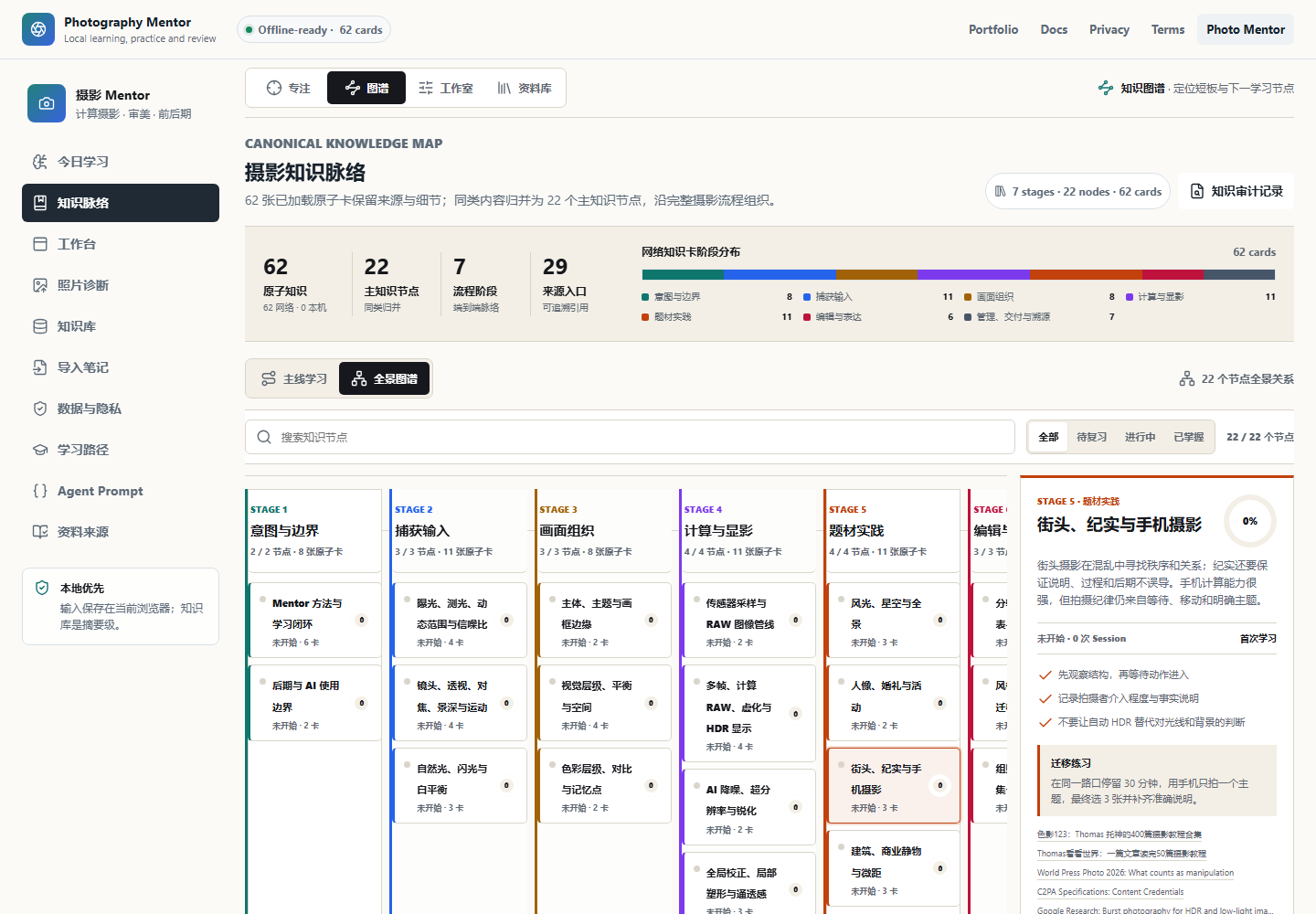
Local image diagnostics, source-linked retrieval and practice tracking. Deterministic image analysis and coaching rules; no model API required.
Also built: Business Learning Studio, an offline decision-practice workspace.